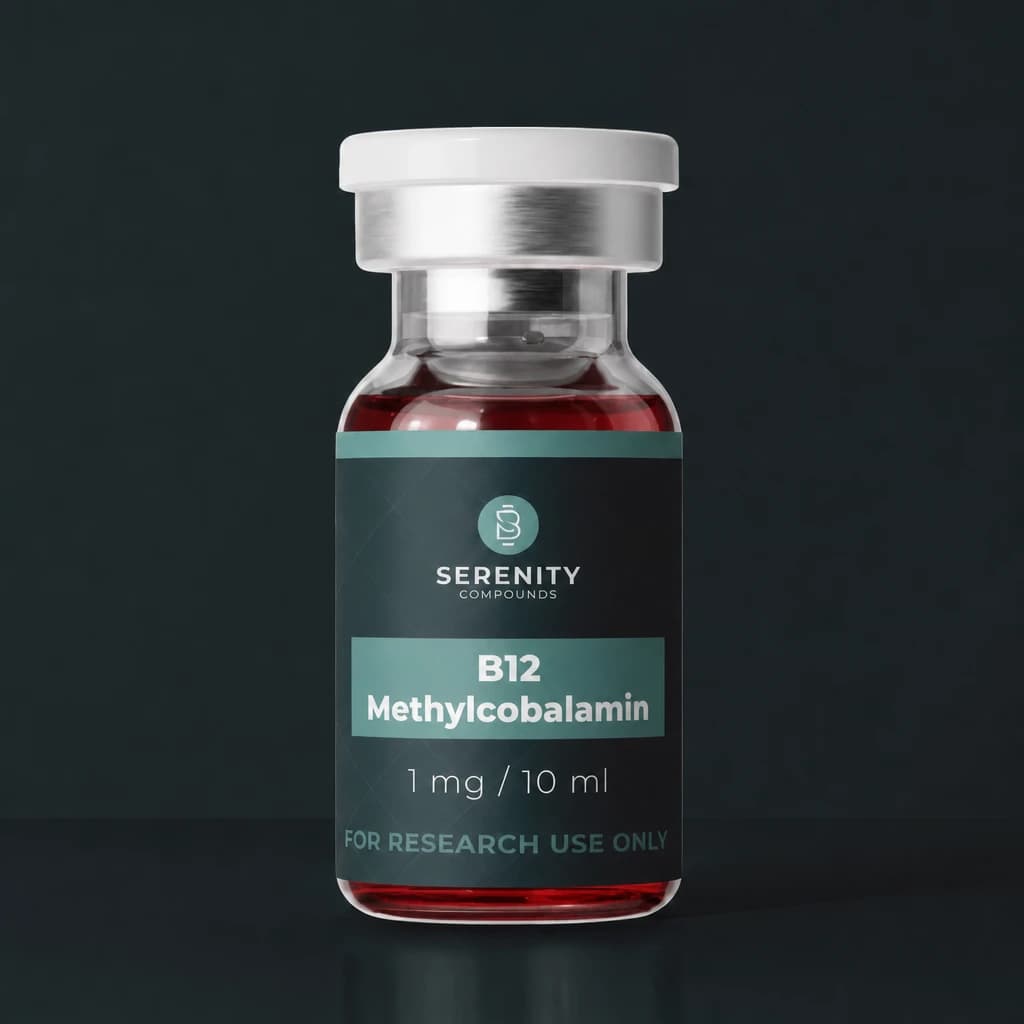
Its chemistry is different from an amino acid chain joined by peptide bonds. A shared catalog category does not change that identity. Injectable L carnitine searches may combine research references with medicines and consumer claims. The laboratory record should use the precise analyte and supplied form rather than relying on that broad search description.
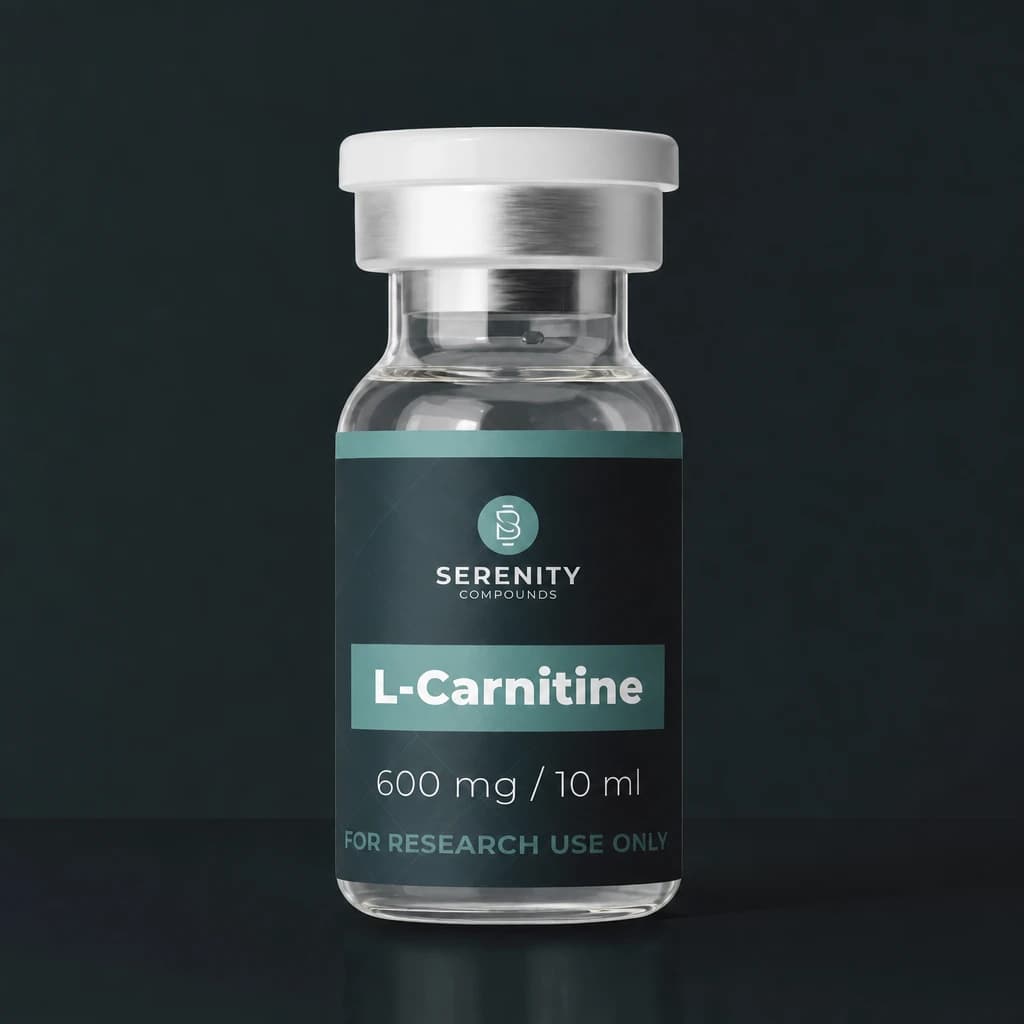
Representative product imagery. Verify the physical label and lot documentation on receipt.
Metabolic Research
L-Carnitine
In stock·Ships in 1–2 business days
L-Carnitine research material supplied with batch-level documentation. Each unit is labeled with a traceable lot code and links to its corresponding analytical report.
Select size6 options
Select pack sizeSave 18% on kits
1 × 600 mg / 10 ml$54.99
In stockSelected size 600 mg / 10 mlSC-LCAR-600
Transparent volume pricing10-vial peptide kits save 18%.
Secure checkout US & EU dispatch
Research use only acknowledgment required at checkout
Report not published
Compound context
What researchers study
L carnitine is a biochemical compound associated with the transport of fatty acid groups in metabolism. It is not a peptide. This page supplies a reference for laboratory work, with the available quantity shown in the selector. The L carnitine injection phrase also describes pharmaceutical formulations that should not be treated as equivalent to this material.
The carnitine shuttle involves more than the presence of free carnitine. Enzymes and membrane transport contribute to the movement of acyl groups. An experiment needs to identify which part of that system it measures. A change in one metabolite pool does not automatically demonstrate increased whole body fat use or improved performance.
Stereochemical identity matters because the L designation is part of the requested analyte. Free carnitine and acylcarnitines also need to be distinguished in a measurement plan. A method reporting total content can answer a different question from one that resolves individual species. Record the calibration basis and matrix when comparing results across samples.
Scope limitMatch the reference identity and chemical form to the lot report. Research material is not supplied for injection, deficiency treatment or personal fat loss use. A pharmaceutical label cannot establish the formulation of this catalog product.
Serenity Compounds is not a compounding pharmacy or chemical compounding facility as defined under Section 503A of the Federal Food, Drug, and Cosmetic Act.
Common laboratory focus
A biochemical assay may focus on transport, an enzyme reaction or the abundance of selected metabolites. Those endpoints require different controls. Measuring a larger pool doesn't necessarily show a faster pathway because production and removal both influence abundance. A conclusion should remain tied to the variable the method actually measured.
Individual acylcarnitines carry different attached groups and can convey different information about the sampled system. Combining them into a total can conceal a change in composition. Separation and suitable calibration are important when the question depends on that composition. A clearly defined result is more useful than a precise number with an ambiguous analyte label.
Quality documentation
Know what your laboratory receives.
Batch records are published for transparency and should be independently reviewed by qualified research personnel.
Current certificateL-Carnitine · Report not publishedSee original reportView report
- Tamper-evident packaging
- Lot and SKU traceability
- Independent analytical review
Continue exploring