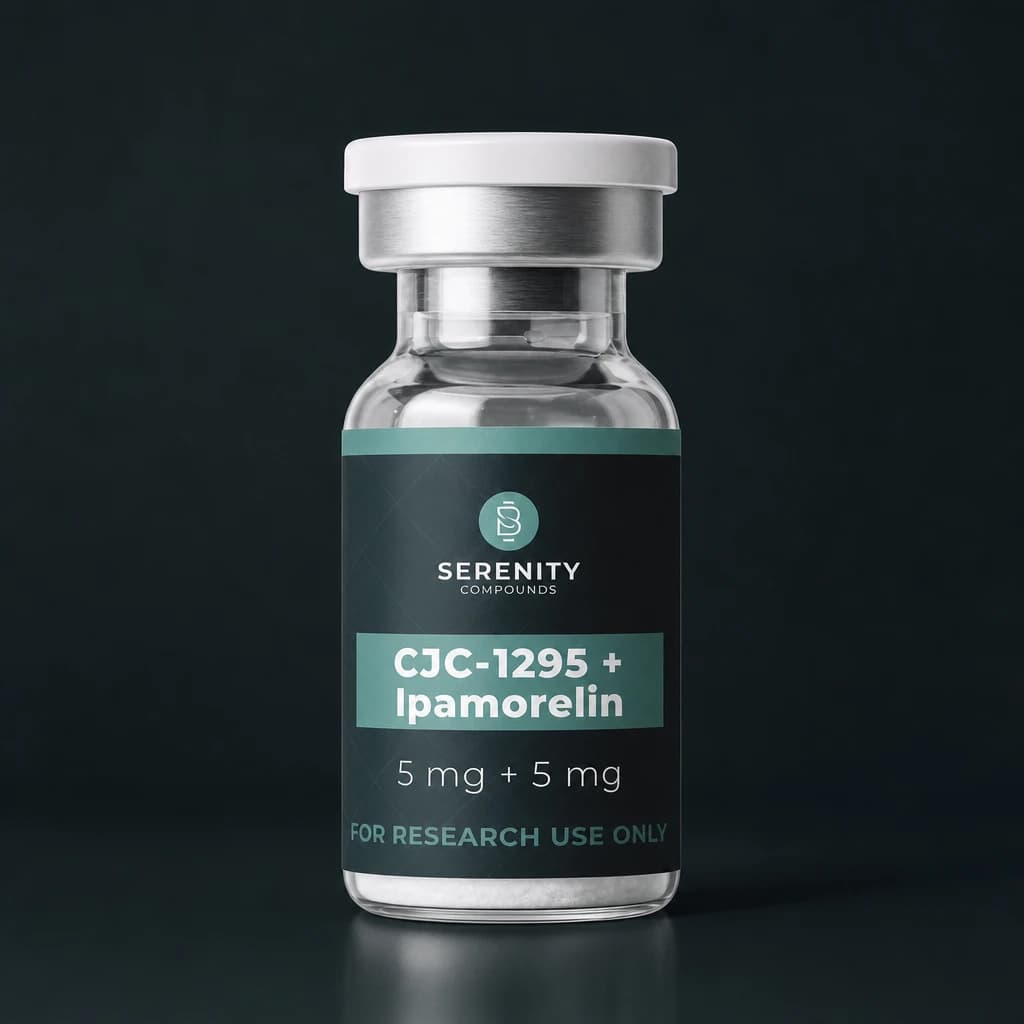
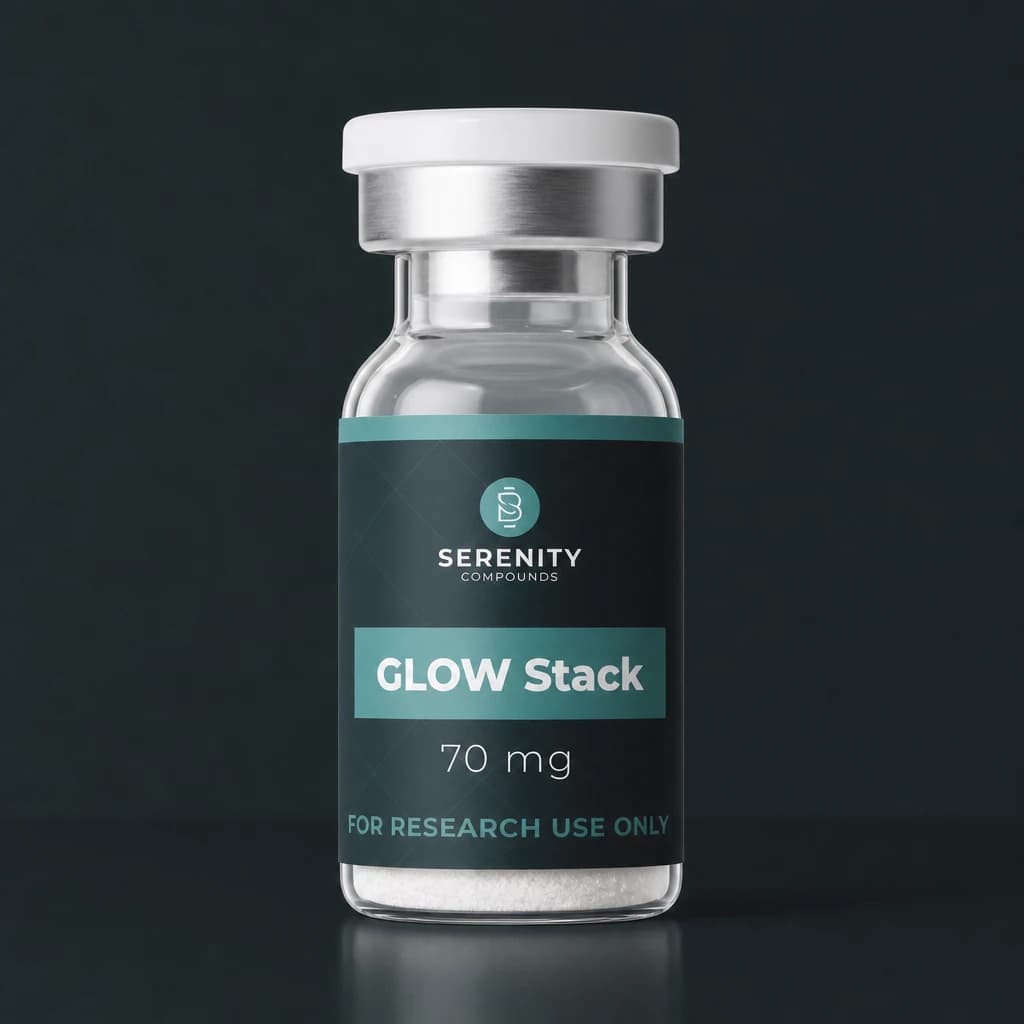
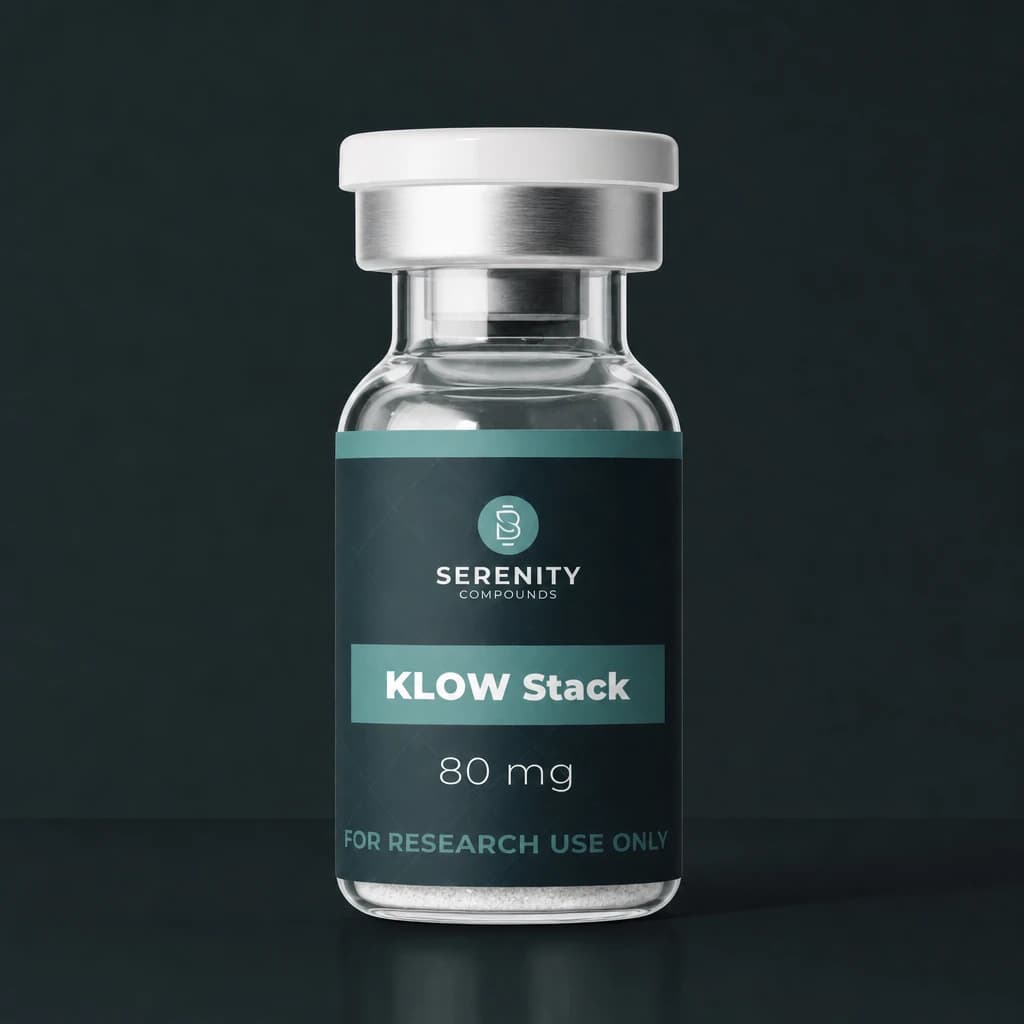
Each component has its own mass divided by the final solution volume. A hypothetical blend containing equal masses yields equal mass concentrations, but equal mass doesn't imply equal numbers of molecules. Molar comparison requires the molecular weight of each documented sequence. The calculation should state whether values refer to a constituent or to the combined material.
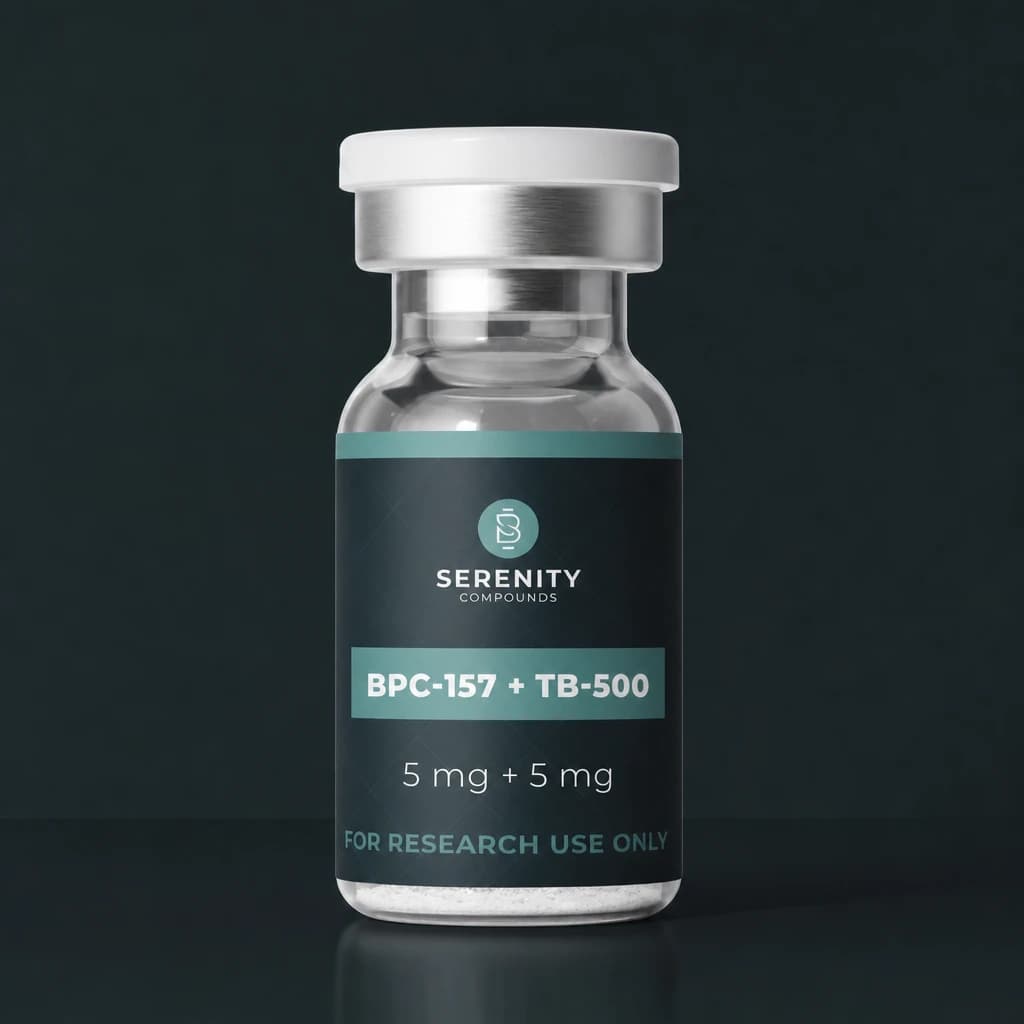
Representative product imagery. Verify the physical label and lot documentation on receipt.
Tissue Research
BPC-157 + TB-500
In stock·Ships in 1–2 business days
BPC-157 + TB-500 research material supplied with batch-level documentation. Each unit is labeled with a traceable lot code and links to its corresponding analytical report.
Select size2 options
Select pack sizeSave 18% on kits
1 × 5 mg + 5 mg$67.99
In stockSelected size 5 mg + 5 mgSC-BB10-005
Transparent volume pricing10-vial peptide kits save 18%.
Secure checkout US & EU dispatch
Research use only acknowledgment required at checkout
Report not published
Compound context
What researchers study
BPC-157 + TB-500 combines two research materials in one vial. The selector shows the labeled constituent quantities, which must remain separate in an experimental worksheet. Total blend mass doesn't describe the concentration of either component. This page is for laboratories comparing a premixed material with a method that specifies both identities and their ratio.
The individual compounds appear in different areas of tissue research. Combining them introduces a new experimental condition, and evidence on either constituent alone doesn't validate the mixture. TB-500 terminology also varies across the literature. Confirm whether the supplied identity corresponds to full length thymosin beta-4 or a fragment before applying a paper's methods or conclusions.
A fixed ratio limits which hypotheses can be tested. Increasing the blend concentration raises both constituents together, so a response can't be attributed to just one. Separate controls can help distinguish an individual contribution from a combination effect. That design requirement matters more than the informal stack names attached to these materials in consumer discussions.
Scope limitRequest analytical evidence that can distinguish the constituents and retain their labeled quantities in the lot record. This research blend isn't a treatment, a clinical combination product or a human dosing protocol.
Serenity Compounds is not a compounding pharmacy or chemical compounding facility as defined under Section 503A of the Federal Food, Drug, and Cosmetic Act.
Common laboratory focus
Comparing BPC 157 and TB 500 usually needs a vehicle condition and separate constituent conditions to investigate interaction. Replication establishes whether the pattern is reproducible. A larger combined signal isn't automatically synergy because the model must specify what an additive response would look like. Conclusions should name the endpoint rather than imply general healing.
Some studies discuss thymosin beta-4 while some products use TB-500 for shorter material. A shared nickname cannot bridge that identity gap. Sequence length and expected mass are useful checks before selecting a reference. If the available documentation doesn't settle the distinction, the experiment's interpretation remains uncertain even when the chromatographic trace looks clean.
Quality documentation
Know what your laboratory receives.
Batch records are published for transparency and should be independently reviewed by qualified research personnel.
Current certificateBPC-157 + TB-500 · Report not publishedSee original reportView report
- Tamper-evident packaging
- Lot and SKU traceability
- Independent analytical review
Continue exploring