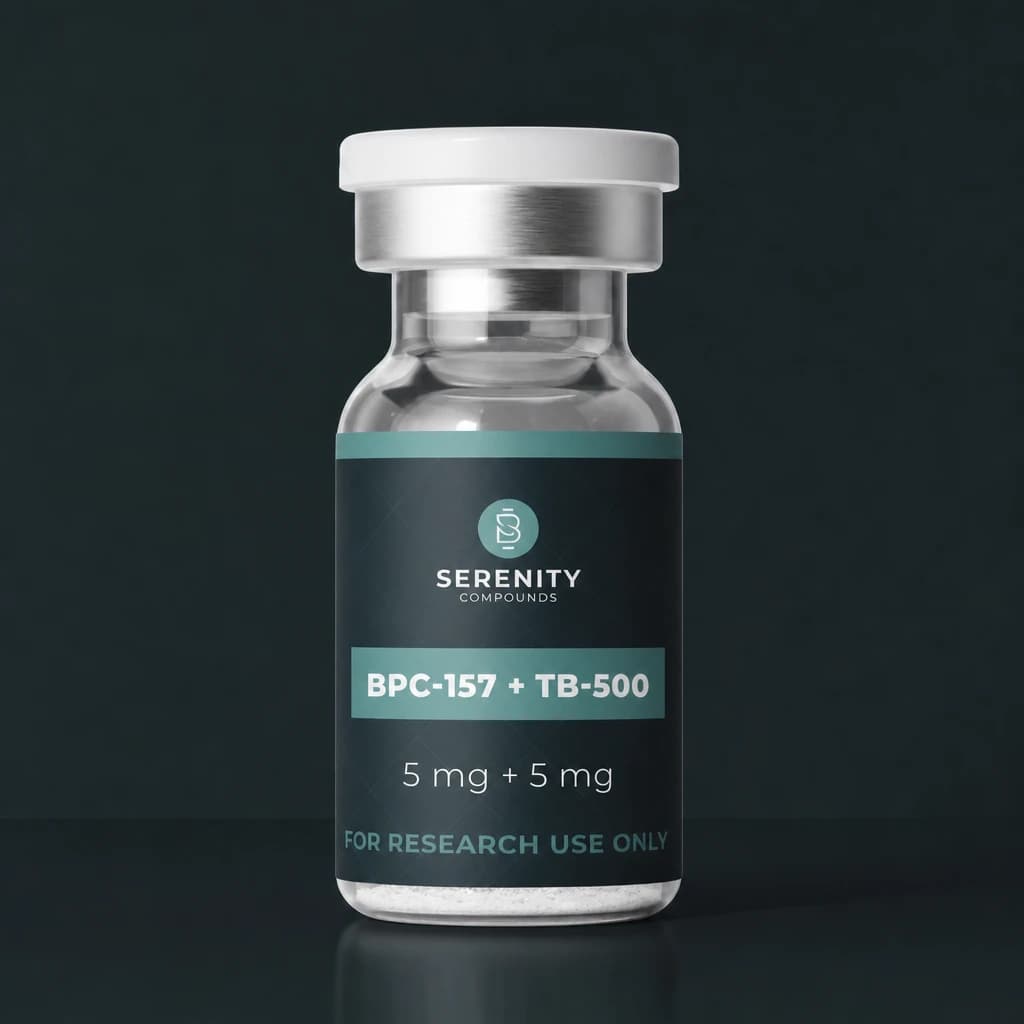
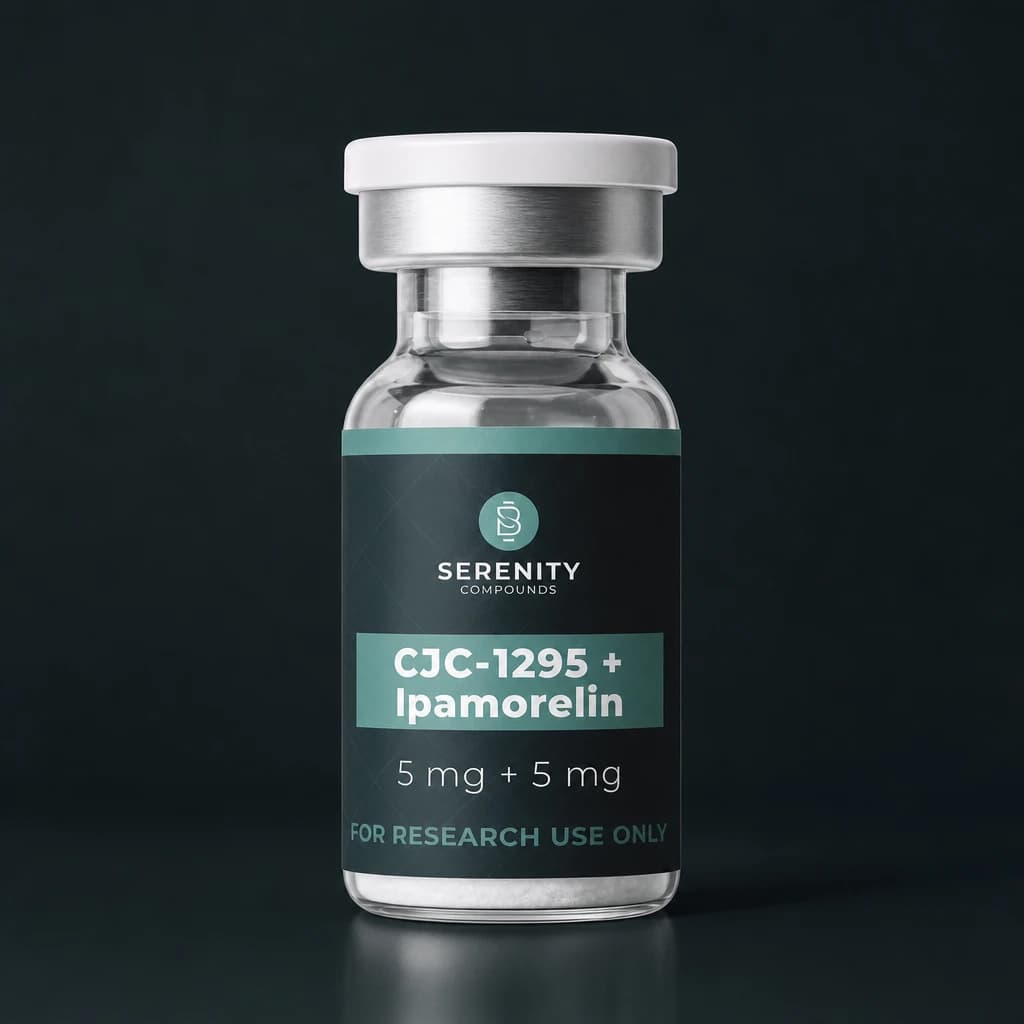
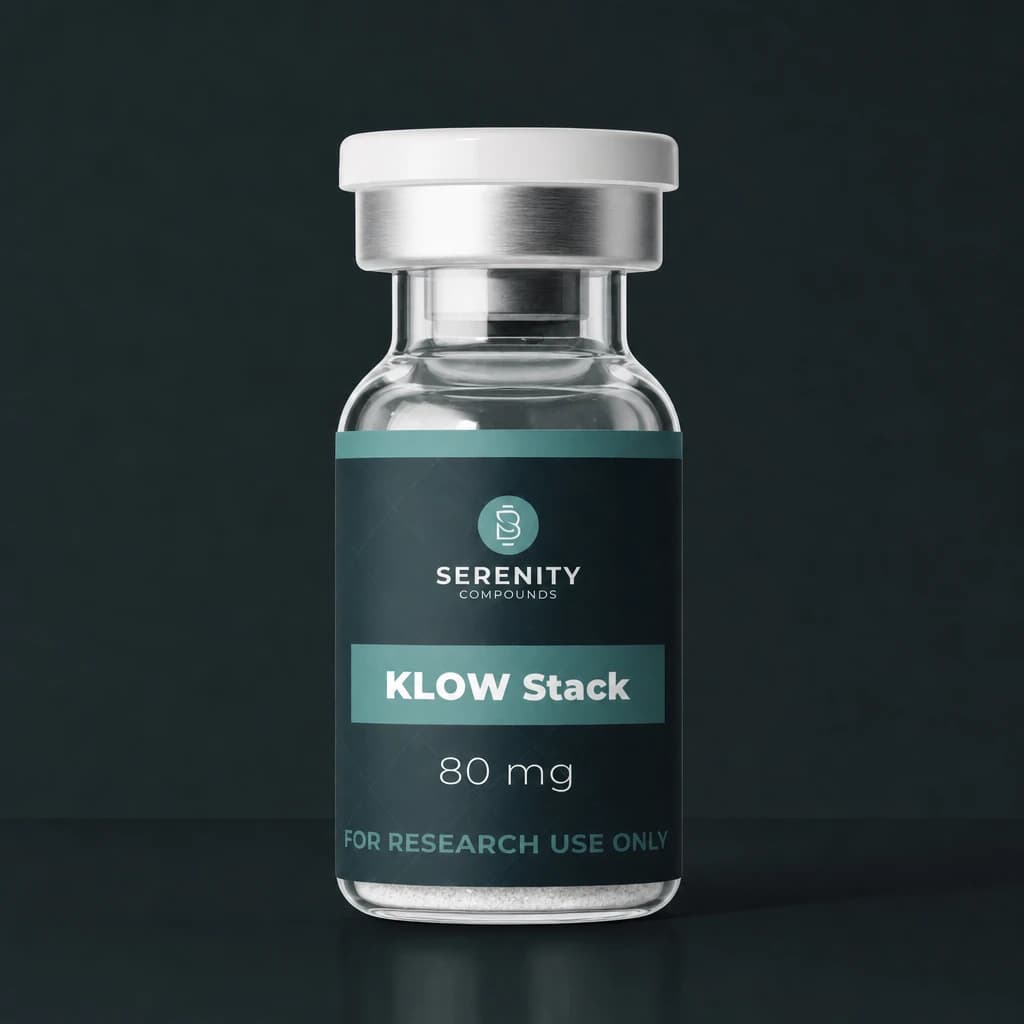
Suppliers can use a shared blend nickname for different ratios or material identities. Keep the exact formulation in the experiment record instead of recording only GLOW. A change in constituent quantity changes the condition being tested. If the current documentation doesn't specify the ratio, resolve that gap before comparing the sample with a published method.
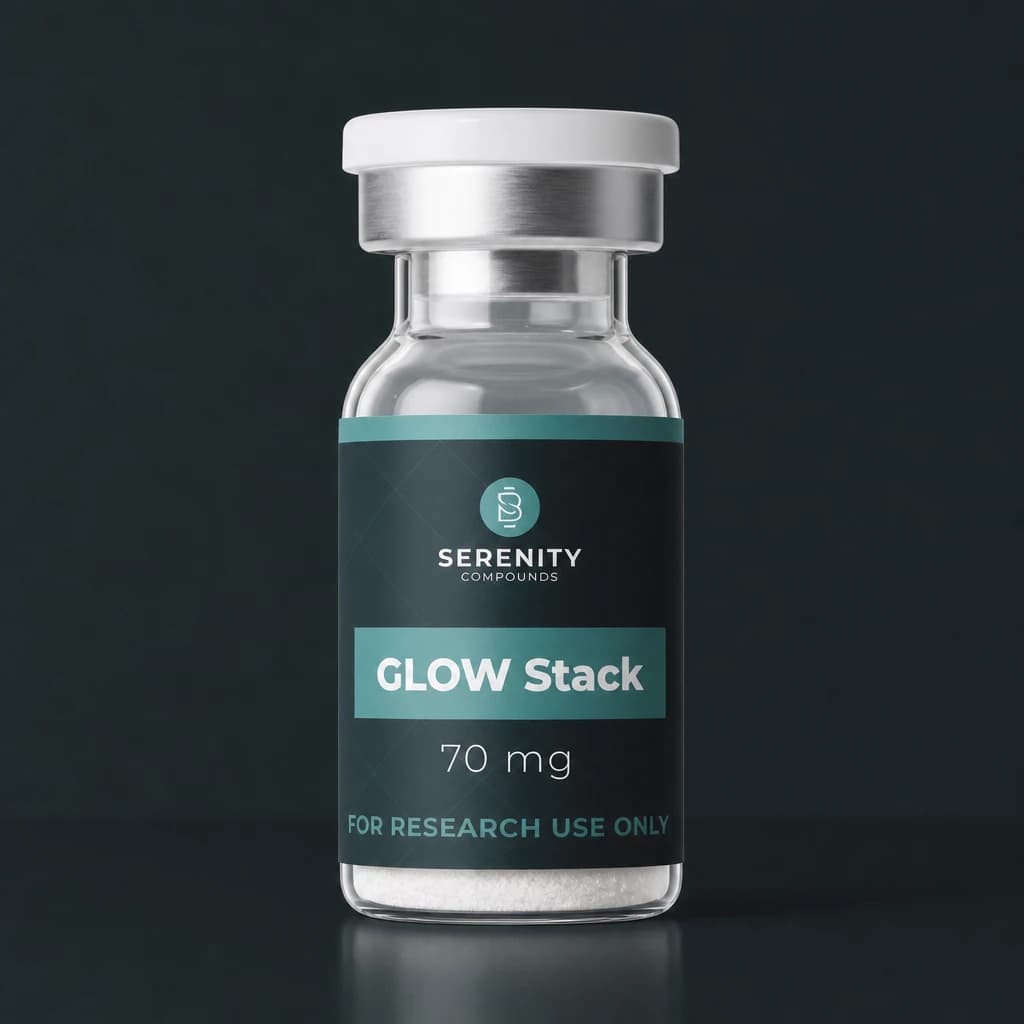
Representative product imagery. Verify the physical label and lot documentation on receipt.
Tissue Research
GLOW Stack
In stock·Ships in 1–2 business days
GLOW Stack multi-peptide blend supplied in a 70 mg vial. Each unit is labeled with a traceable lot code and links to its corresponding analytical report.
Select size1 option
Select pack sizeSave 18% on kits
1 × 70 mg$108.99
In stockSelected size 70 mgSC-GLW-070
Transparent volume pricing10-vial peptide kits save 18%.
Secure checkout US & EU dispatch
Research use only acknowledgment required at checkout
Report not published
Compound context
What researchers study
GLOW peptide is a blend name used for research combinations commonly associated with GHK-Cu, BPC-157 and TB-500. A trade name isn't a standardized chemical formula. Confirm the actual constituents and their labeled quantities for this vial before planning an experiment. The total quantity shown in the selector should not be mistaken for the amount of each ingredient.
The separate ingredients appear in different tissue and analytical research settings. Their individual literature doesn't establish the performance of a glow blend peptide preparation. Copper chemistry adds another variable because the matrix may influence both complex formation and analytical behavior. A blend experiment needs to account for those interactions rather than assume that separate findings simply add together.
A fixed ratio material is useful only when that ratio matches the research question. If all constituents increase together, a changing endpoint can't identify the responsible component without additional controls. The relevant analytical method must also distinguish multiple species. One combined chromatographic percentage isn't necessarily enough to establish every constituent's identity and amount.
Scope limitMatch the GLOW Stack label to the constituent record and current analytical documents. The blend is not supplied for skin treatment, injury recovery or personal administration. Its name does not promise visible results.
Serenity Compounds is not a compounding pharmacy or chemical compounding facility as defined under Section 503A of the Federal Food, Drug, and Cosmetic Act.
Common laboratory focus
Copper related detector effects or interactions with other components can complicate a measurement. The solution matrix and preparation history belong beside the reported result. Separate reference materials may be needed to understand which peaks correspond to which constituent. A large peak or a familiar color doesn't establish a complete blend identity.
Individual component conditions and a vehicle condition help test whether a response depends on the mixture. An additive model must be defined before the word synergy can be justified. Independent repeats can then assess whether the pattern persists. A laboratory result still applies to the tested endpoint and cannot establish a human cosmetic outcome.
Quality documentation
Know what your laboratory receives.
Batch records are published for transparency and should be independently reviewed by qualified research personnel.
Current certificateGLOW Stack · Report not publishedSee original reportView report
- Tamper-evident packaging
- Lot and SKU traceability
- Independent analytical review
Continue exploring