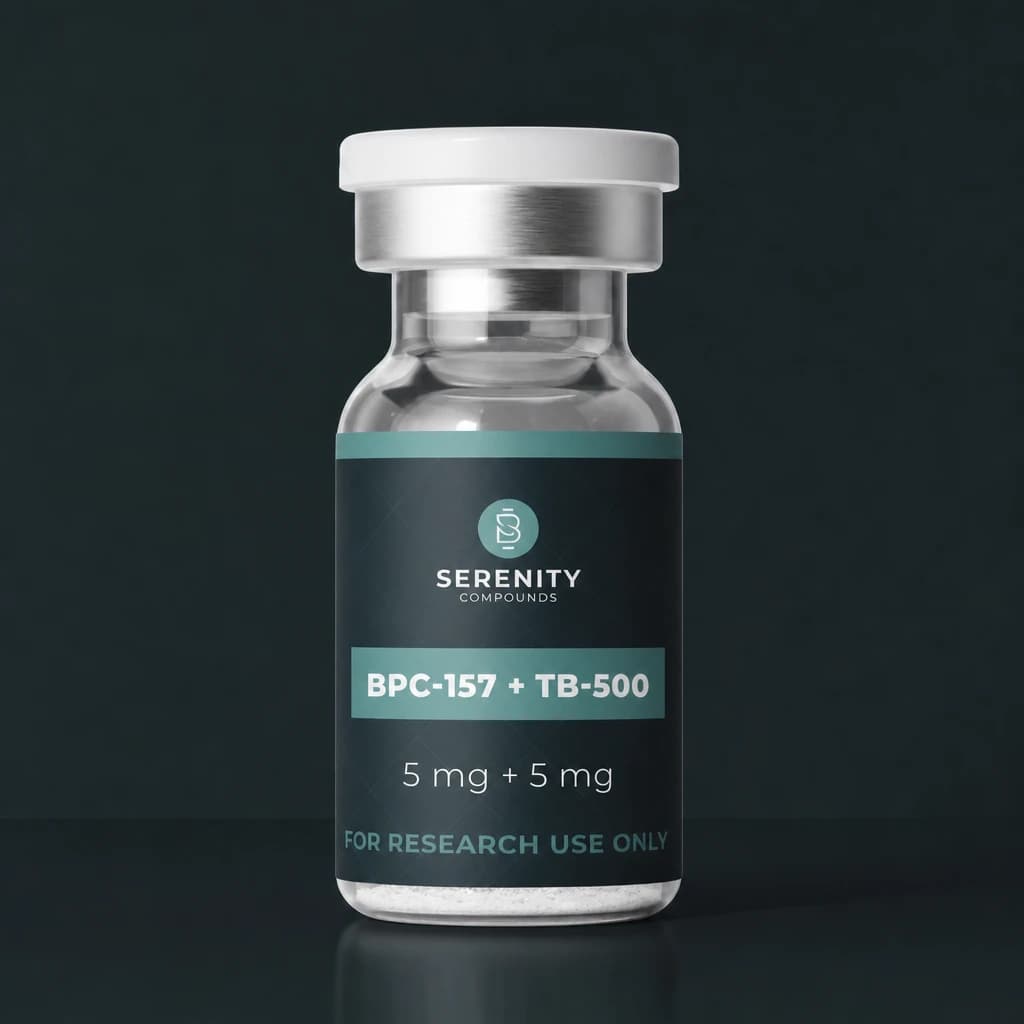
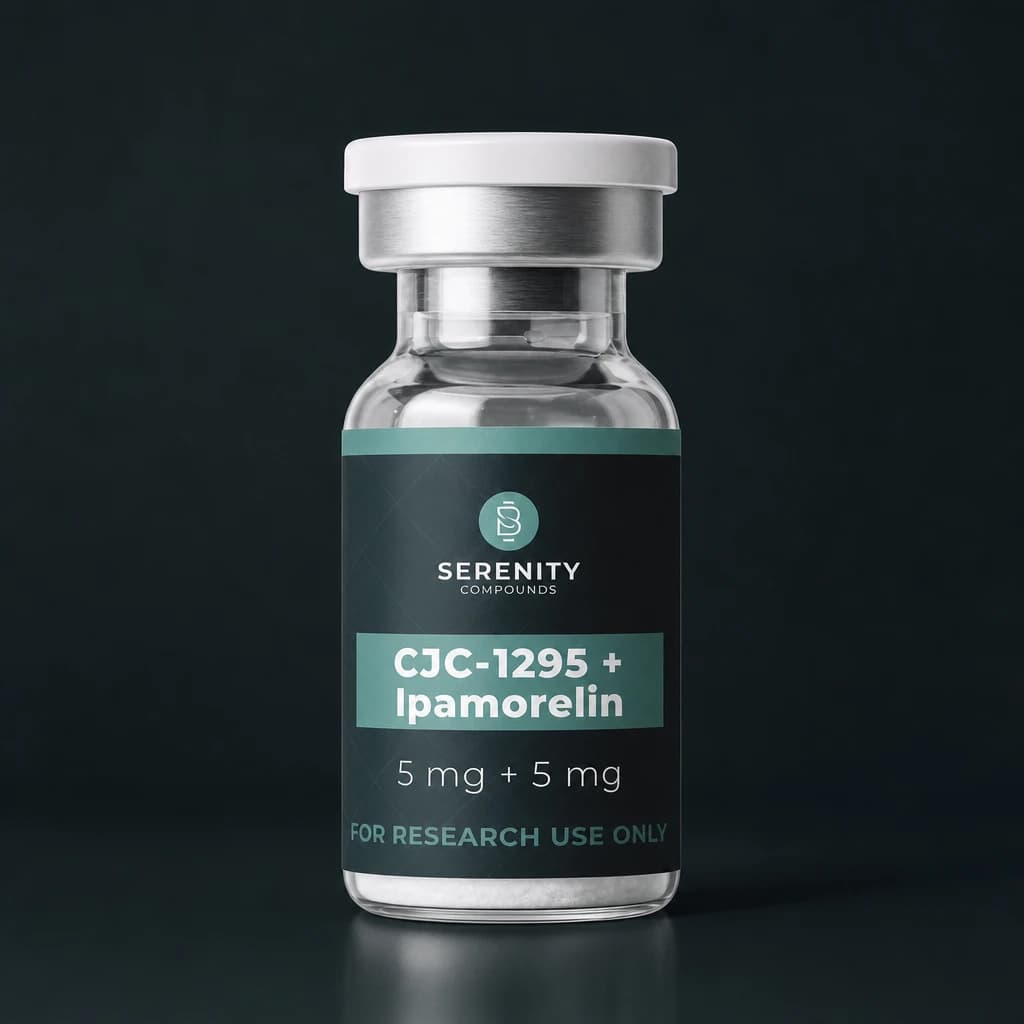
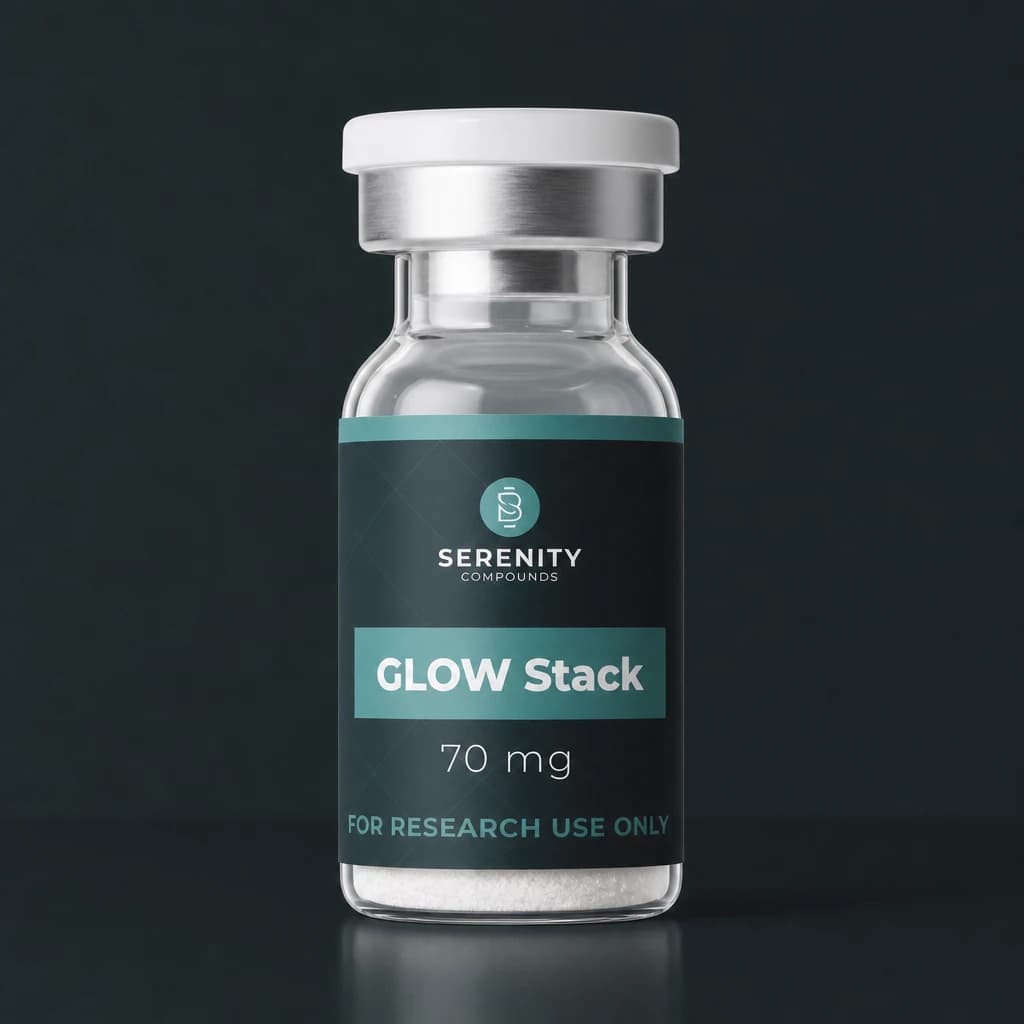
A useful label identifies the constituents and their quantities rather than reporting only a combined mass. The associated analytical documents should be detailed enough to support those identities. If TB-500 terminology is used, confirm the actual sequence. Unresolved naming differences can make a comparison unreliable before the assay has even started.
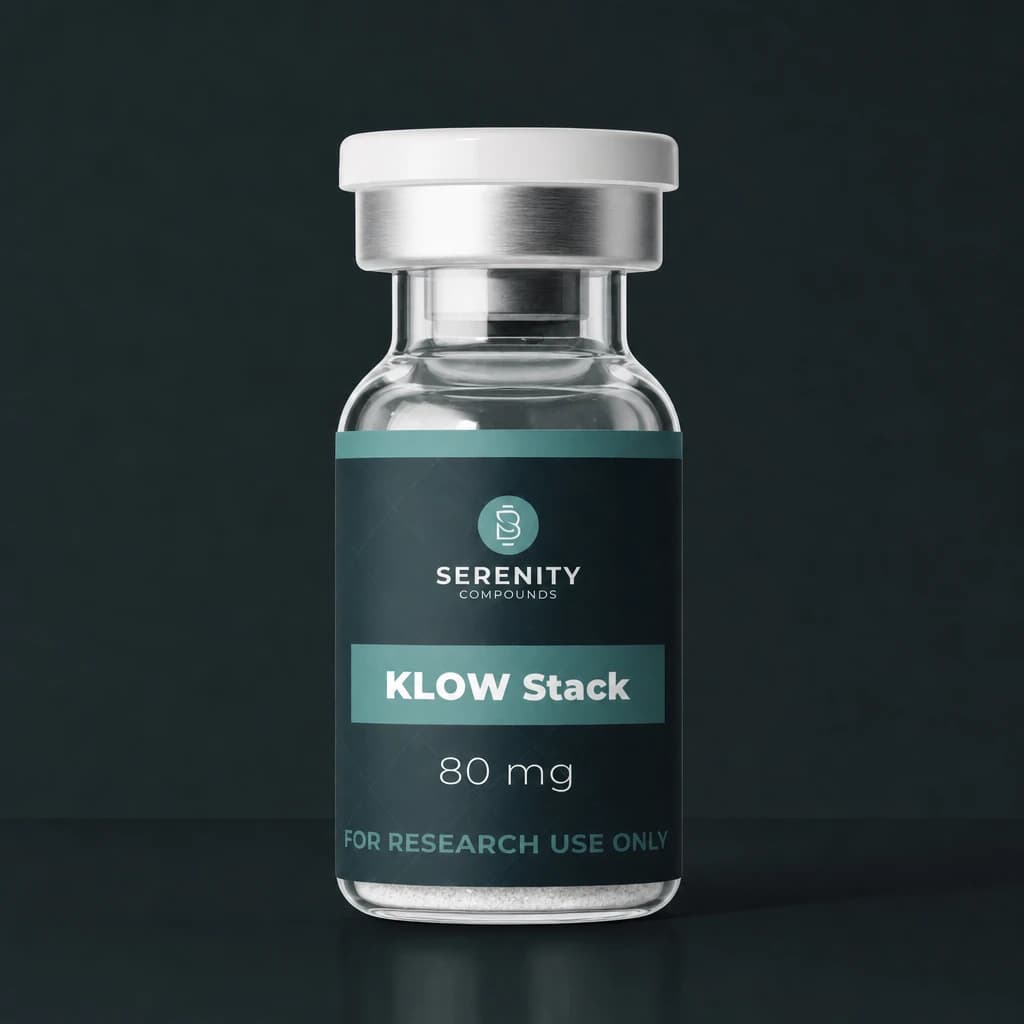
Representative product imagery. Verify the physical label and lot documentation on receipt.
Tissue Research
KLOW Stack
In stock·Ships in 1–2 business days
KLOW Stack multi-peptide blend supplied in an 80 mg vial. Each unit is labeled with a traceable lot code and links to its corresponding analytical report.
Select size1 option
Select pack sizeSave 18% on kits
1 × 80 mg$128.99
In stockSelected size 80 mgSC-KLW-080
Transparent volume pricing10-vial peptide kits save 18%.
Secure checkout US & EU dispatch
Research use only acknowledgment required at checkout
Report not published
Compound context
What researchers study
KLOW peptide is a research blend name commonly used for a combination that adds KPV to the ingredients associated with GLOW. The name alone doesn't define a universal formula. Confirm the constituent identities and their labeled amounts for this listing. Total vial mass cannot be treated as the amount of each individual material.
Adding a component creates a different experimental condition. A klow blend peptide preparation does not inherit established effects from isolated ingredient papers. KPV studies and copper complex studies address different systems, and their findings cannot simply be added together. The actual formulation is the starting point for deciding whether the mixture fits a research question.
Four component accounting requires a separate concentration field for each documented constituent. A fixed ratio prevents independent adjustment of one component within the same vial. If the question concerns the contribution of KPV, an appropriate comparison must hold other relevant variables steady. A product nickname is not enough to establish that two conditions differ only by KPV.
Scope limitRetain the exact formulation and current lot documents before experimental use. This blend is research use only. KLOW does not describe an approved treatment, a human dosing plan or a guaranteed skin or recovery outcome.
Serenity Compounds is not a compounding pharmacy or chemical compounding facility as defined under Section 503A of the Federal Food, Drug, and Cosmetic Act.
Common laboratory focus
The comparison is meaningful only when the documented formulations support the intended question. If several constituent ratios change, a different response cannot be assigned to the additional ingredient alone. A study should state which variables are held constant and which are being tested. The popular names GLOW and KLOW don't provide that design information.
Mixtures can require methods capable of resolving multiple components and relevant impurities. One peak area percentage is not automatically a complete blend analysis. Ask whether the report distinguishes component identity from quantity and whether copper related behavior affects the method. Preserve the method description with the sample record so the reported values remain interpretable.
Quality documentation
Know what your laboratory receives.
Batch records are published for transparency and should be independently reviewed by qualified research personnel.
Current certificateKLOW Stack · Report not publishedSee original reportView report
- Tamper-evident packaging
- Lot and SKU traceability
- Independent analytical review
Continue exploring