A retatrutide research procurement checklist should establish whether a defined reference and its documentation fit the laboratory's intended method. It is not a shortcut to personal access or a guarantee of lawful use in every setting. The example below follows a hypothetical documentation discrepancy so the required evidence is concrete rather than a generic list of supplier promises.
What should the intended method establish first?
The experimental question determines which identity and quantity evidence is needed. A receptor assay and an analytical method development project may have different acceptance criteria. Procurement should document those needs before comparing suppliers rather than choosing criteria after a preferred product has been selected.
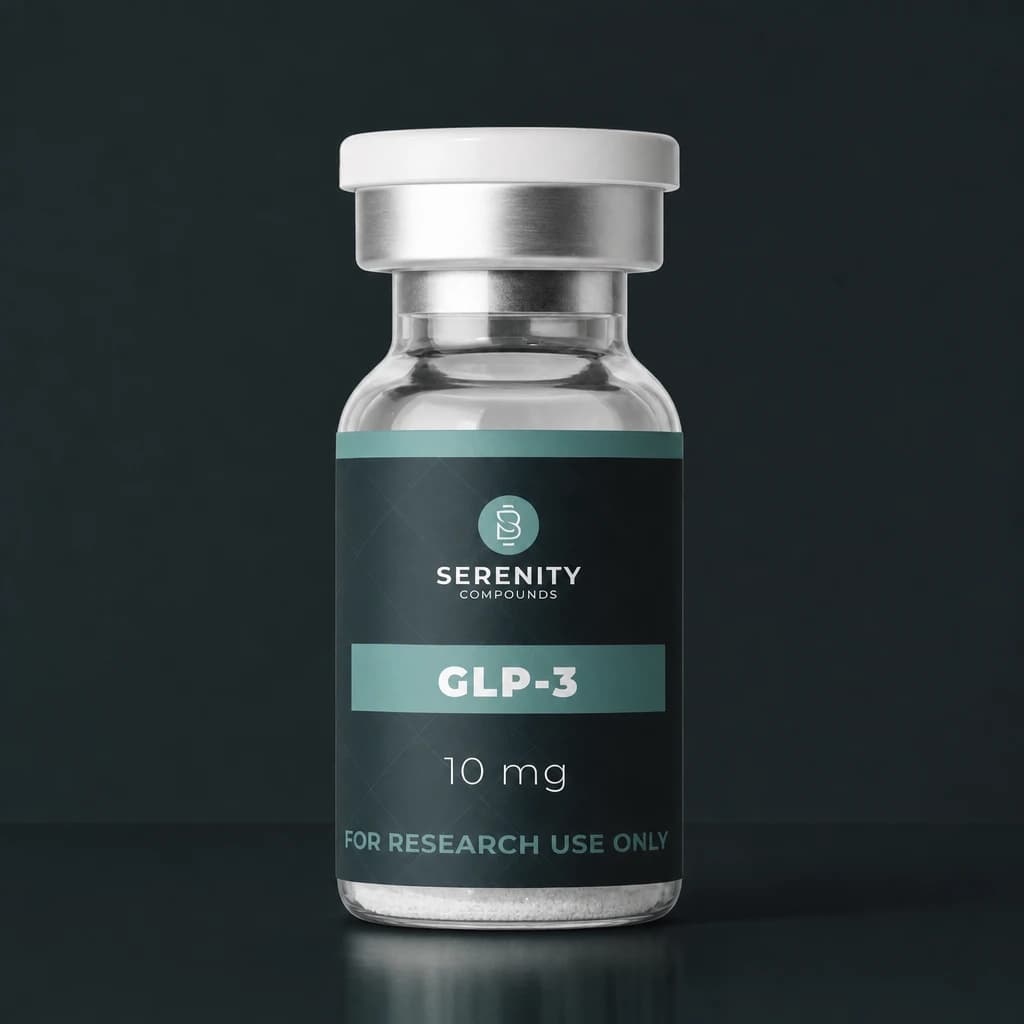
Serenity's GLP-3 reference preserves the retatrutide catalog mapping. That name connects to the product page, while the selected lot and specification connect to the actual material review. A general description cannot replace the evidence required by the method.
A hypothetical quotation and certificate mismatch
Imagine a quotation names a 10 mg variant and expected lot R-12. The supplied certificate identifies lot R-21 and repeats 10 mg as the submitted sample amount. Two questions remain: whether the report covers the received lot and whether the amount was measured or merely supplied as a label description.
Receiving should preserve the observed vial label and the accompanying document. If the label reads R-12, the mismatch remains unresolved even though the product names agree. Copying the certificate number into the intake record would erase the discrepancy rather than explain it.
What evidence would resolve the question?
Clarifying the documented relationship between the lot identifiers could address one issue. A relevant quantitative method could address the content question if the study requires it. These are different pieces of evidence, so a response resolving only the lot mismatch should not be treated as confirmation of measured content.
Does a high purity result answer every acceptance question?
No. Chromatographic purity is defined by its method. It does not automatically establish total peptide content or sterility. The COA reading article explains how to map each claim to an actual test rather than treating one percentage as a general assurance.
Identity evidence also has limits that depend on the method. Expected mass may support the named material while leaving some alternatives unresolved. The laboratory should assess whether the reported characterization is sufficient for its actual experiment.
How should delivery and storage information be handled?
Packaging condition is an observation, not a chemical stability result. Available transport records should remain connected to the material history. A missing record should be described as missing rather than replaced with an assumption based on the shipping service name.
Our accessioning guide explains how receipt records and internal identifiers preserve those facts. It also distinguishes possession from acceptance when the laboratory's procedure requires a hold while questions are investigated.
What does a cost comparison add?
Quoted price needs a clear quantity basis and an account of any required additional evidence. The research cost article uses a hypothetical comparison to separate nominal price per milligram from a claim about characterized usable material.
Institutional authorization and applicable requirements remain separate from price. A supplier's checkout or research checkbox cannot make that determination for every buyer. This article does not provide import or compounding instructions.
Retatrutide peptide identity before supplier comparison
Catalog naming should map to a documented compound rather than an assumed equivalence. A shortened GLP label can help locate a listing, but the sequence or specification must resolve the intended material. Preserve both the supplier identifier and established compound name. That allows the laboratory to connect procurement with the appropriate literature while retaining exactly what was ordered and received.
Modification or chemical form details may matter to the method even when the familiar compound name is present. The acceptance review should identify which distinctions affect the experiment and whether the available characterization resolves them. A general molecular description copied from a publication does not characterize a later commercial lot. Supplier documentation and literature evidence need separate entries in the review.
Retatrutide purchase requirements for different research methods
An identity method development project may primarily need a well characterized reference for comparison. A quantitative biological assay may additionally depend on content and final exposure. These purposes can require different evidence even when they use the same catalog item. Define the intended use before deciding whether a certificate is sufficient, because sufficiency is a relationship between the evidence and the actual method requirements.
Acceptance limits should not be chosen after reviewing the most favorable quotation. That would let the preferred purchase determine the scientific standard. Record the requirements first and document any later justified change. If the method can tolerate an unresolved quantity for a restricted purpose, state that limitation explicitly instead of describing the material as unconditionally accepted for every experiment.
Retatrutide availability and batch continuity
Stock status describes what a supplier currently offers. It does not establish that a future shipment will use the same lot as an earlier one. A longer project should consider how additional material would be reviewed if the batch changes. Retain the separate reports and any comparison required by the laboratory method rather than assigning the new vial an older acceptance record.
Release timing can differ from delivery timing. A parcel may arrive while its documentation is still under review. The project schedule should allow for that distinction when acceptance depends on resolving a question. Treating arrival as automatic readiness can pressure an analyst to use material before the evidential gap has been addressed under the institution's procedure.
Retatrutide cost and the evidence included in a quotation
Compare the quoted quantity on its stated basis. Nominal vial content and measured peptide content are not necessarily equivalent, while peak area purity is another kind of result. Additional characterization may consume both budget and sample. A useful comparison identifies which requirements are already supported and which would need further work before the material is usable for the planned method.
Terms for discrepancies should be checked rather than assumed. The laboratory needs to know how to submit a question and what documentation the supplier requests. A general satisfaction claim does not explain every resolution path. Keep the relevant purchase terms with the record so that later discussions refer to the actual agreement instead of an expectation that was never documented.
Reconstitution and storage questions at procurement
Preparation evidence should concern the specified reference and intended matrix. A clinical trial formulation cannot automatically validate an independently supplied research vial. Ask whether relevant stability or compatibility information exists for the form being purchased. Missing information should remain visible, particularly when the method requires a prepared solution to retain a defined property over time.
Transport records support a different question from chemical analysis. They can document an excursion or show the environment associated with a shipment, but they do not independently establish intact analyte. Receiving should preserve those observations and assess them against applicable evidence. A photograph of insulation is not a direct stability result for the material inside it.
Closing the hypothetical discrepancy correctly
Suppose the supplier documents that the certificate's lot entry was a transcription error and issues a corrected report tied to the observed vial. That may resolve the lot connection. It does not automatically resolve whether the repeated 10 mg entry was measured content. The final record should show which question was answered and retain the other as unresolved if the method still requires that evidence.
Where to buy retatrutide?
For laboratory work, select a source whose documented material can meet the intended method's requirements. The relevant comparison concerns specifications and lot evidence rather than a universal supplier ranking. A product listing is the start of that review. It should not be presented as clinical access or as proof that every contemplated use is appropriate.
Is retatrutide safe?
Procurement documentation cannot establish a general human safety conclusion. Analytical reports address their stated tests, while clinical evidence concerns defined study preparations and monitored participants. A laboratory reference remains within its research scope. The checklist helps assess whether material fits an experiment, not whether a person can administer it or substitute it for an authorized medicine.
What should the final procurement record say?
Identify the selected material and explain which evidence met each relevant acceptance criterion. Preserve any unresolved limitation and the responsible decision under the laboratory's process. That creates a traceable research procurement record without presenting a catalog purchase as clinical access.