Peptide laboratory accessioning is the intake process that connects received material to an internal identifier and its supporting records. It establishes what arrived, when it arrived and which questions remain unresolved. A useful accession record does not merely copy a product name. It preserves the relationship between the physical vial and the evidence used to accept it for a particular method.
What should be recorded at receipt?
The observed label and package condition are the starting facts. The purchase reference explains what was expected. These may agree, but they should not be treated as the same source of information. If the shipment differs from the order, recording only the order description can hide the mismatch.
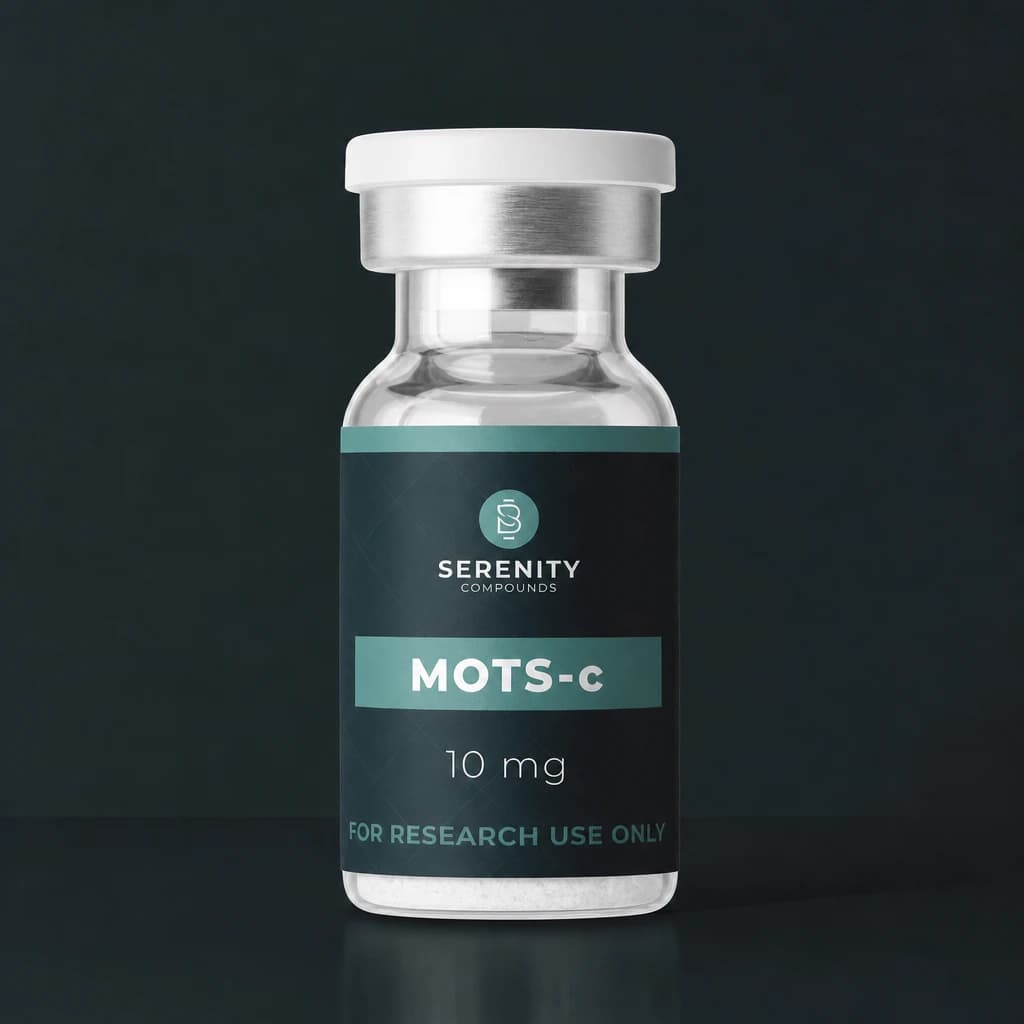
For a concrete catalog example, a MOTS-C reference may arrive with a supplier lot that differs from the product slug used online. An internal accession number should connect those identifiers rather than replacing them. The report and receipt record need to remain linked after the material moves into storage.
How should a laboratory handle a lot mismatch?
Imagine a hypothetical shipment expected to contain lot M-14. The vial shows M-41 while the attached report names M-14. The record should retain both observations and the question sent for clarification. Selecting whichever identifier looks more plausible would convert an assumption into a false intake fact.
Quarantine status, where required by the laboratory's procedure, separates possession from acceptance. Receiving material does not mean it has already met the method's requirements. The procedure should define who can resolve the discrepancy and what evidence is needed before the material's status changes.
Does a corrected certificate erase the original issue?
No. A corrected document can resolve a question while the original discrepancy remains part of the history. Retain the dated explanation and the relationship between the old and new records according to the laboratory's procedure. A later reviewer should be able to see why the material was accepted.
Which storage conditions can be assigned at intake?
Material specific documentation and the approved method should support the storage conditions. A generic rule for all research peptides cannot establish suitability for every sequence or formulation. The dry material and a later prepared solution may also require different evidence.
Temperature logs describe the storage environment. They don't by themselves establish chemical stability or prove that a particular vial occupied that location throughout the period. The stability article covers the first question, while the custody guide addresses the second.
How should sample identifiers change after preparation?
Aliquots need a relationship to their parent material. A simple internal scheme might connect parent RM-208 to samples RM-208-A and RM-208-B. The exact naming convention is a local decision, but the relationship should survive a container change and remain readable in the assay record.
Combining lots requires a more explicit record because the new sample has more than one parent. Naming it after only one source can obscure later interpretation. The preparation record should preserve every material that contributed to the resulting sample and distinguish nominal amounts from measured quantities.
Research peptides: separating receipt from analytical acceptance
Receipt confirms that a shipment entered the laboratory. Acceptance confirms that the material meets requirements for a stated purpose. Those events can occur at different times and should not share an automatic status. A reference might be accepted for an identity investigation while remaining unsuitable for a quantitative comparison because its content is unresolved. Recording the permitted purpose avoids making acceptance appear broader than the evidence supports.
Purchase information should preserve the specification that applied when the order was placed. A live product page can change after receipt, so its current wording may not explain an earlier procurement decision. Retaining the relevant order description and documents allows a reviewer to compare what was requested with what arrived. This is particularly useful if a supplier later revises a variant or reporting format.
Research grade peptides and missing documentation
Grade terms do not settle which analytical tests a laboratory needs. A method requiring measured content may be unable to rely on a report containing only identity and peak area purity. The intake review should identify that gap explicitly. A missing result is not automatically a failed result, but it can prevent release for a purpose that depends on knowing the value.
Supplier clarification should be attached to the specific accession record. An informal assurance about usual practice does not necessarily characterize the received lot. Ask whether the response concerns this batch and whether a supporting document is available. Preserve both the question and the answer so that later analysts can distinguish a resolved discrepancy from a general statement that left the original issue open.
How to store peptides before reconstitution
Unopened material needs storage conditions supported for its actual form. Lyophilized appearance does not establish a universal temperature or lifetime for every sequence. The intake process should identify the applicable supplier documentation and laboratory procedure. If they appear inconsistent, record the discrepancy for review rather than choosing a convenient condition and treating it as scientifically established.
Location records should be specific enough to recover the physical container. A freezer name may be insufficient when several boxes and racks are involved. At the same time, a storage address should not replace the material identifier. Keeping those fields separate allows a vial to move without changing its identity and allows a location to hold different materials over time without confusing their histories.
Peptide reconstitution creates a new record boundary
Preparation introduces a matrix and a new sample state. The resulting solution needs its own identifier while retaining the source accession relationship. A dry material expiry should not silently become the prepared solution's expiry. The laboratory's method needs evidence for the solution and should distinguish its preparation date from the original receipt date. Those dates answer different questions during an investigation.
Repeated preparations from one vial should remain distinguishable when their histories differ. If one portion is prepared immediately and another is prepared later, a shared parent identifier alone cannot describe both solutions. Separate preparation records allow their assay results to be compared with the relevant handling information. That can expose a preparation issue that would remain invisible if every result carried only the supplier lot.
Reconciling amounts without inventing measurements
Inventory balances often begin with nominal labeled content. After transfers, a calculated remaining amount can support planning but is not automatically a measured residual quantity. The record should state its basis. An apparent discrepancy might arise from rounding, transfer losses or an incorrect entry. Resolving it requires reviewing the relevant evidence rather than adjusting the number until the spreadsheet balances.
Disposal and exhaustion are distinct final states. A material used completely in a method has a different history from one discarded after a discrepancy. Record the applicable disposition and retain the connection to any affected experiments. Closing the inventory entry should not remove the documents needed to understand results already generated from the lot.
Do powder form peptides need to be refrigerated before reconstitution?
There is no reliable single answer for every research material. The specified form and supporting stability documentation determine the appropriate conditions. A powder's appearance does not prove that room temperature or refrigeration is suitable. Intake should therefore capture the actual storage requirement and its source rather than apply a rule based only on the broad word peptide.
How long do reconstituted peptides last in the fridge?
Refrigeration describes an environment, not a universal expiration period. A prepared solution's supported interval depends on its matrix and the property required by the method. The record should identify the evidence used to assign that interval. If no suitable evidence exists, a generic online duration cannot supply it or make the preparation appropriate for human use.
What should be checked before release to an experiment?
Acceptance criteria should follow the proposed method rather than a general impression that the certificate looks complete. A study requiring a particular identity result needs that evidence. A purity percentage alone cannot establish unrelated properties such as sterility or functional activity.
Document the disposition decision and any remaining limitations. Another analyst should be able to determine what was accepted and for which purpose without reconstructing an informal conversation. That is the practical value of accessioning: a defined starting record for laboratory work, not authorization for human or veterinary administration.