Research peptide chain of custody is the record connecting received material to the sample later measured. It documents who handled the material, when a transfer occurred and which identifiers remained attached. A certificate on its own cannot show that the vial used in an experiment was the vial covered by that certificate.
Which identifiers need to remain connected?
The supplier's lot identifies a batch within its documentation system. An internal accession number identifies the laboratory's received material. A sample or aliquot number identifies a later portion used in a method. These can all be different strings, provided the record preserves the relationships between them.
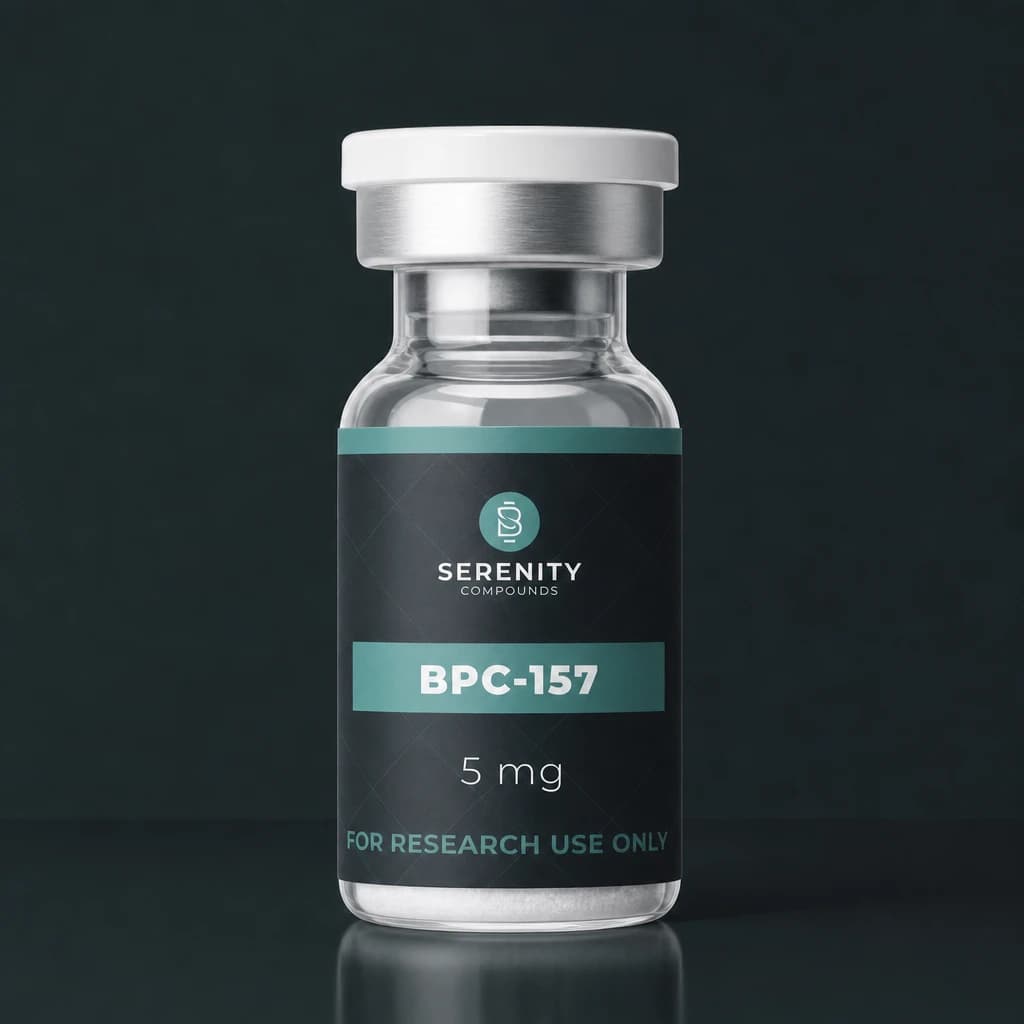
For a concrete catalog example, a BPC-157 reference might be ordered under its product slug while its received label carries a separate lot number. The order reference should not replace the lot. Our accessioning guide explains the initial intake step that establishes that connection.
A hypothetical receipt to assay record
Imagine an order recorded as PO-104. Receiving logs a vial with supplier lot L-27 and assigns internal material ID RM-208. The laboratory later creates aliquots RM-208-A and RM-208-B. An assay record that names RM-208-A should be traceable back through RM-208 to the photographed label and associated report.
Suppose the label instead reads L-72 while the accompanying document reads L-27. Copying one value over the other would hide the discrepancy. Preserve both observations and record the question sent to the supplier. The material's status should follow the laboratory's procedure while the mismatch is investigated. A silent correction is not an explanation.
What belongs in a handoff entry?
Useful fields are the material identifier, transfer time and the people or locations involved. The reason for the transfer can explain a later change in storage or preparation. A handoff does not need pages of prose, but it should contain enough information to distinguish an actual transfer from a later assumption about where the material went.
Storage history is related evidence rather than a substitute for custody. Knowing that a freezer stayed within its recorded range does not establish that a particular vial was inside it. Conversely, knowing where the vial was stored does not prove that the conditions were appropriate. Both questions need their own records.
How should a container change be documented?
Aliquoting creates new container identifiers while preserving the parent relationship. The preparation record should explain which parent material supplied each child sample. If two different lots are combined, that relationship needs to remain visible. Naming the new tube after only one parent would make later interpretation incomplete.
Amount accounting can help investigate a discrepancy, but expected and measured values should remain distinct. A theoretical balance based on labeled mass is not a direct measurement of recovery. The record should identify which values were calculated and which were observed. That distinction becomes useful if material appears to be missing or a concentration later disagrees with expectations.
What can chain of custody establish?
Traceability can support the connection between a material and its documents. It cannot prove chemical identity, purity or stability without the appropriate evidence. A perfectly recorded sample may still fail an analytical requirement. The COA reading guide covers the separate question of what the report actually measured.
Research peptides: connecting the certificate to the actual sample
Certificates commonly identify a supplier batch while an instrument sequence uses a laboratory sample name. The connection between those systems needs an explicit record. A result file called sample 12 is not traceable simply because the correct certificate exists elsewhere in a folder. The accession record should show which physical container supplied that sample and which preparation step occurred before analysis.
Photographs can support that connection when their role is clear. A receipt image may preserve a damaged label or an identifier that later becomes unreadable. It does not establish the chemical contents of the photographed vial. Store it with the receipt record and its date rather than treating it as a substitute for analytical testing. Different kinds of evidence can support the same investigation without becoming interchangeable.
Peptide research records after preparation and dilution
Preparation creates a new state of the material. The source lot remains relevant, but the solvent lot, preparation date and resulting container now matter too. A traceability system should allow those relationships to be followed without requiring every identifier on a small tube label. The label can carry a unique sample reference that points to the complete preparation record.
Dilution records need to preserve parentage across more than one step. Suppose RM-208-A supplies working preparation WP-31, which then supplies assay wells in run R-9. A result attached only to R-9 is insufficient if several preparations entered that run. Mapping the specific wells to WP-31 retains the connection. It also allows a later investigation to distinguish a material issue from a plate handling error.
Pooling requires special care because a single child container can have multiple parents. Record each source and the basis of the contribution. A pooled sample should not acquire the appearance of one original lot simply because the software permits only one lot field. If the system cannot represent the relationship directly, an attached controlled record should explain it in a form another reviewer can follow.
What changes when a shipment has an excursion?
Temperature information can identify an event requiring review. It cannot determine the chemical impact without a suitable material specification or supporting study. Keep the original logger data connected to the shipment and distinguish the observed excursion from the decision made about it. A receiving decision should name the evidence used and any remaining limitation, especially if the material is reserved for a restricted analytical purpose.
Quarantine status is useful only if it follows the physical material and the electronic record together. A note in a spreadsheet may not prevent a vial from being selected for an assay. The laboratory's established process should make the status visible at the point of use. If the material is later released, preserve who authorized that change and which question the supporting evidence resolved.
Research grade peptides and documentation claims
Grade language does not define a universal testing package. Two suppliers may use the same phrase while reporting different methods, acceptance limits or sampling arrangements. Chain of custody helps connect those reports to a received lot. It does not make the underlying specifications equivalent. A comparison should identify the actual reported tests and any missing information relevant to the intended method.
Electronic corrections deserve the same transparency as physical handoffs. An accidental transposition in an accession number can be corrected, but the record should retain enough history to explain the change. Overwriting an old identifier everywhere can break links to archived instrument files. A documented alias or correction relationship often makes the history easier to follow than pretending the earlier value never existed.
What are research peptides?
Broadly, these are peptide materials supplied for research purposes. The label describes intended use rather than proving a particular identity, purity or handling history. A laboratory still needs a suitable specification and a connection between the received lot and its documentation. The custody record answers where the tested sample came from, while analytical records address what that sample was shown to contain.
Where to buy research peptides?
Evaluate prospective suppliers against the experiment's documentation needs. Useful questions concern lot identifiers, access to relevant reports and the process for resolving a discrepancy. A polished product page cannot replace those answers. Before purchasing, establish whether the available records can support the laboratory's accession and acceptance procedures. This is a procurement assessment, not a recommendation to acquire research materials for personal use.
What should remain when a problem is resolved?
Keep the original observation and the dated resolution together. If a supplier issues a corrected report, retain the reason and the superseded identifier where the laboratory's procedure requires it. The resulting history should let another person understand what changed without relying on a conversation that was never recorded.
At the end of an experiment, the sample identifier in the result should still lead back to a defined received lot. That is the practical purpose of the custody record. It preserves an evidence trail for laboratory work and does not authorize clinical or personal use of a research material.