Retatrutide how to get searches can mean two different things: finding clinical information or obtaining a reference for legitimate laboratory work. Those pathways are not interchangeable. A research catalog listing does not authorize personal administration, and a trial listing does not guarantee enrollment. The first step is identifying which question the reader actually needs answered.
Where does clinical trial information belong?
ClinicalTrials.gov provides public study records, including stated eligibility and recruitment information. The actual study team determines whether a person can participate under the protocol. Registry information should be confirmed with that team rather than interpreted as a promise of access.
The published phase 2 study describes a defined investigational product and supervised research setting. Its findings do not establish that a consumer can reproduce the study through a retail purchase. Qualified health professionals can discuss appropriate clinical options without using a research shop as a pharmacy.
Does a successful trial mean an approved product is available?
No. A trial milestone and regulatory authorization are different events. FDA's unapproved product information is the relevant primary source for the distinction. The dated approval status article records when that status was checked.
Predicted launch dates should not be presented as facts. A sponsor announcement can describe development progress while leaving the eventual decision unresolved. A search result using the word available may instead refer to a laboratory catalog item.
What does laboratory procurement require?
Intended research methods should define the necessary material identity and analytical evidence. Institutional authorization and applicable requirements need their own review. A supplier cannot determine suitability for every experiment merely by making checkout available.
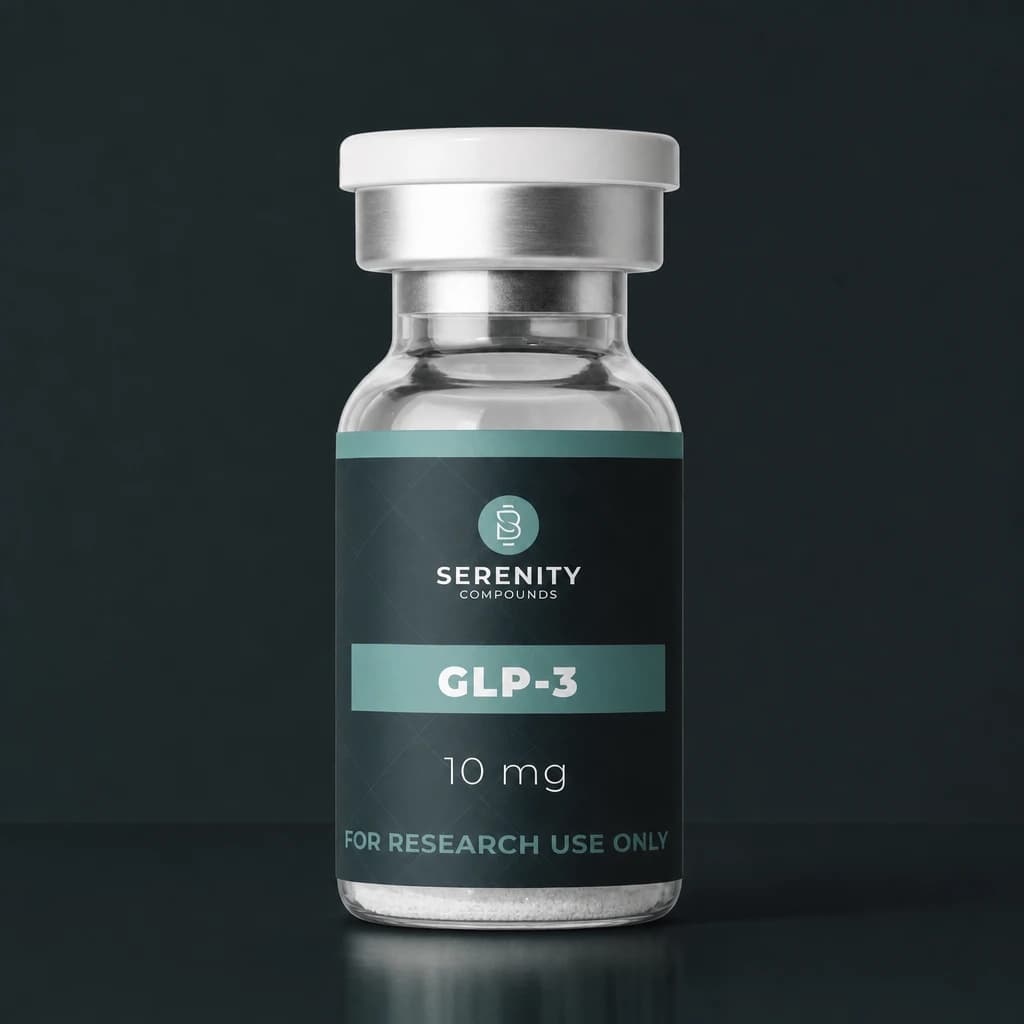
Serenity's GLP-3 reference preserves the retatrutide catalog mapping. A laboratory should connect the selected variant to its lot documentation and evaluate that evidence against the method's needs. The listing is not a personal access alternative to clinical care.
What does a certificate establish in this context?
Only the properties actually tested for the identified material can be attributed to the report. A purity percentage does not establish pharmaceutical equivalence or clinical safety. If a required identity or content result is missing, the gap remains even when the product name matches the literature.
How should a supplier comparison be made?
Documentation and the actual received lot matter more than an unsupported best supplier claim. The procurement checklist follows a hypothetical lot mismatch and distinguishes the questions needed to resolve it. It does not rank competitors without evidence.
Quoted cost also needs a clear basis. Nominal amount and analytically characterized content are not automatically the same quantity. A low advertised price cannot establish that a material will meet the experiment's requirements or arrive with the necessary records.
Why can't a research label validate personal use?
Label wording does not create missing clinical evidence. A product promoted with human dosing instructions raises a different question from a genuine laboratory reference. This site does not provide such instructions or describe its materials as substitutes for authorized medicines.
Safety uncertainty remains important even when a compound has published trials. The trial preparation and a catalog vial may differ in ways a general ingredient name cannot resolve. A purchaser should not infer clinical suitability from the existence of a paper or a certificate.
How to get retatrutide information from a study record
Start with the exact study identifier rather than a social media description. The registry record for the published phase 2 study connects that publication with a defined research program. It is included as an evidence reference, not as a claim that the study is recruiting now. Current participation questions require a current record and confirmation from an authorized study contact.
Eligibility criteria define who may be considered, but meeting a listed criterion does not guarantee enrollment. Site capacity and the protocol's full assessment still matter. A person should not infer access from a general statement that a program is active. The relevant distinction is between public information about research and an actual invitation to participate under the study's arrangements.
Retatrutide clinical trials versus a catalog purchase
Study material is supplied within a protocol that defines its preparation and oversight. A retail research reference is not the same access mechanism. Purchasing a similarly named vial does not enroll someone in the study or reproduce its safeguards. The existence of a published trial should therefore not be used as a rationale for attempting an unsupervised version of its methods.
Clinical questions can include whether an authorized treatment or a legitimate research opportunity is appropriate for a person. Those decisions require qualified care and the relevant study team where applicable. A laboratory supplier cannot make that assessment through a product page. Keeping the purposes separate helps answer the search intent without directing a reader toward an inappropriate substitute.
Retatrutide availability and different meanings of available
Available can mean a scientific paper is published, a study record exists or a research supplier has stock. None of those statements alone means an approved medicine can be prescribed. An access article should identify which meaning it intends. A headline that leaves the category unstated can create a misleading impression even when the underlying stock information is accurate.
Dates are important for each category. Recruitment and catalog inventory can change independently of regulatory status. A copied search snippet may reflect an earlier state. Verify the relevant primary record before making a current claim, and avoid treating a future development milestone as a confirmed launch date. The source should support the exact event being described.
Is retatrutide FDA approved: why a supplier report cannot answer
Regulatory authorization and analytical characterization are separate determinations. A report can support identity or a specified purity result for a submitted sample without establishing approval for human use. More analytical detail cannot supply a missing regulatory decision. The dated status article linked above identifies the primary source used for that question rather than inferring the answer from product availability.
Research labeling likewise does not create clinical suitability. The intended use and the actual claims made about a product matter. A page that supplies human administration instructions cannot resolve missing evidence simply by adding a research disclaimer. This article limits its procurement discussion to laboratory requirements and does not offer a workaround for obtaining an unapproved medicine.
Laboratory reference access and institutional requirements
Method requirements should be established before selecting a supplier. The laboratory needs to know which identity, content and other analytical properties matter for its experiment. A receptor assay may need different evidence from an identity method development project. The relevant purchase is one that can satisfy the stated requirements, not merely one whose checkout is open.
Batch documentation then connects the selected listing with the received vial. Confirm the lot relationship and preserve any discrepancy rather than silently correcting one identifier to match another. Acceptance should follow the laboratory's process and remain limited to the supported purpose. Receiving a parcel is not the same as establishing that its contents are ready for every proposed assay.
Cost and handling questions after the access category is clear
Nominal price per milligram can help compare research quotations when its basis is explicit. It does not establish actual measured content or the cost of a clinical course. Additional characterization and retained sample requirements may affect the project budget. Those needs should come from the method rather than an assumed monthly personal schedule.
Storage and reconstitution evidence should concern the actual reference and matrix. Trial formulation information cannot automatically be assigned to a separately supplied research material. A procurement review should identify any missing supporting information before treating the purchase as suitable for the intended workflow. Clear appearance and correct arithmetic cannot resolve those material questions on their own.
Where to buy retatrutide?
For legitimate laboratory work, compare documented references against the intended method and institutional requirements. For clinical questions, use qualified care and authorized study information rather than a research supplier as a pharmacy. Those are different answers because they concern different purposes. A catalog link should not be presented as a personal treatment access route.
What is retatrutide?
It is the molecule studied for activity at GIP, GLP-1 and glucagon receptors and mapped to Serenity's GLP-3 research listing. That identity connects the literature topic with the catalog, but it does not establish equivalence between their preparations. Understanding the name is the starting point for an evidence review, not proof of clinical availability or permission for personal administration.
What is the practical distinction to retain?
Use legitimate study records and qualified clinical advice for questions about human research participation or care. Use the laboratory's procurement process for a justified experimental reference. Keeping those purposes separate answers the access question without directing someone toward personal use of an unapproved research product.